
Collecting
What Counts as a Pokémon Master Set? Variants and Promos Explained
Define your Pokémon master-set scope by separating card identities, variants and promos, then build a checklist with clear completion rules.
A Pokémon master set needs an explicit scope: the set, card language, variants you intend to collect and whether you include associated promotional cards. The term alone does not specify all of those choices. Write them down before building your checklist, rather than treating a collector’s convention as a universal official definition.
The useful question is whether you have every card and variant required by your stated goal. That makes completion something you can check, and gives you a clear way to explain what your binder includes.
Separate card identities from variants
For organizing purposes, identify a card by its set, collector number and language. A Pokémon’s name alone is not enough: the Bulbasaur catalogue examples below are separate card identities within the same set. Give each identity its own checklist entry.


Then record the variants you want under each identity. Reverse Holo, Poké Ball Holo and Master Ball Holo are examples of variants that may be available on a card; do not assume every card or set has each finish. These catalogue images identify card records and do not establish a particular foil finish.
Keep missing identities separate from missing variants. Owning a card while still needing an included finish is a different gap from having no copy of that card identity. Your checklist should make that distinction visible.
Decide where promos belong
Make promotional cards an explicit inclusion or exclusion. If you want associated promos in your project, list the exact card identities you mean and keep that list alongside the main set checklist. A shared Pokémon name is not enough to decide that a promo belongs in your scope.
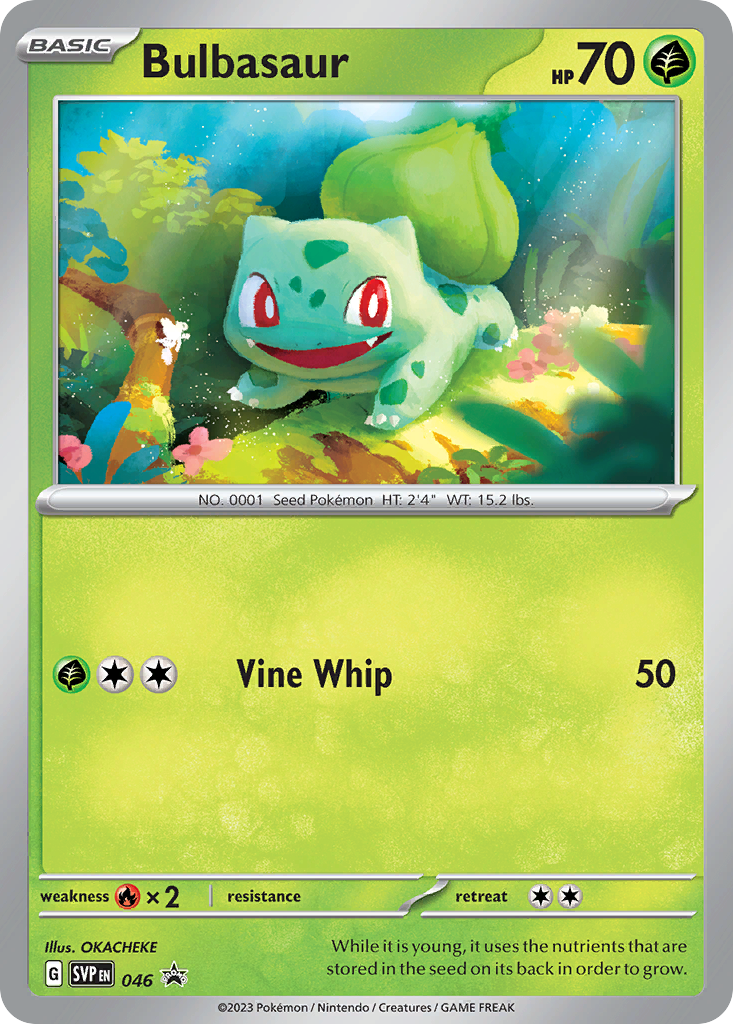
The Bulbasaur promo shown here belongs to Scarlet & Violet Black Star Promos, a separate catalogue group from the preceding examples. It illustrates why a promo needs its own identity and a deliberate place in your collecting plan.
A checklist for defining your master set
- Name the set and choose the card language.
- List the card identities included in your goal.
- Specify the variants required for each identity, checking which are available.
- State whether promotional cards are included and identify any you intend to collect.
- Track owned quantities separately for each included variant.
- Mark unresolved coverage questions as unverified before calling the checklist complete.
- Keep your scope note with the checklist so future additions follow the same rules.
These are suggested organizing methods. A binder title or collection name is useful shorthand, but it does not replace the written inclusion rules.
How Acorn TCG can support your scope
Acorn TCG tracks owned quantities separately for the variants available on each card. Card Detail distinguishes Master Set Variants from Additional Variants. Set screens offer Full Set, Master Set and Grand Master Set goals; Grand Master Set includes the additional trackable variants available for those cards.
For a quick visual check, enable Show Master Set badges in a set’s filters. With the Master Set goal selected, M marks a card whose available Master Set variants you have collected; individual badges such as N show the variants already registered while others are still missing. Open the card to check which variants you still need.
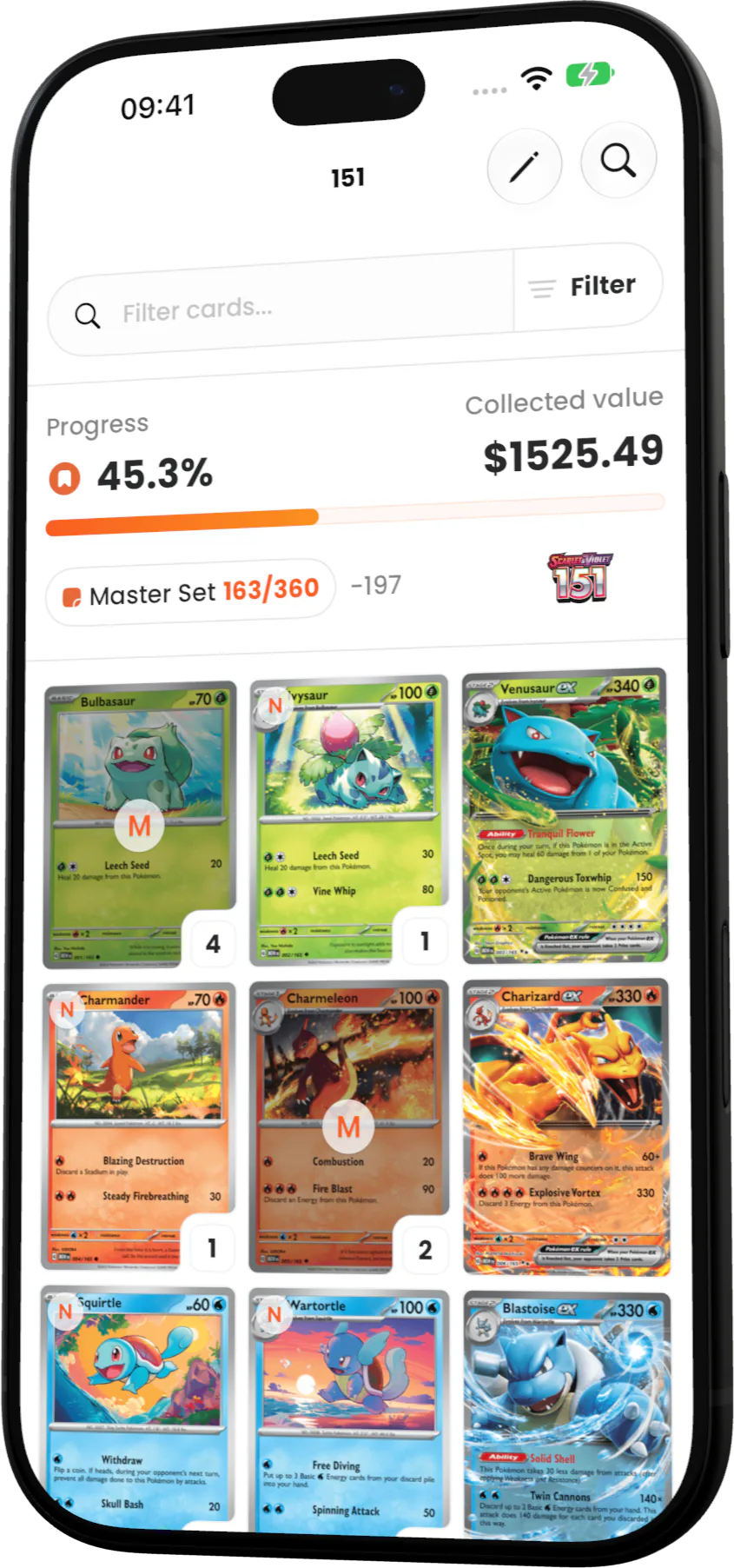
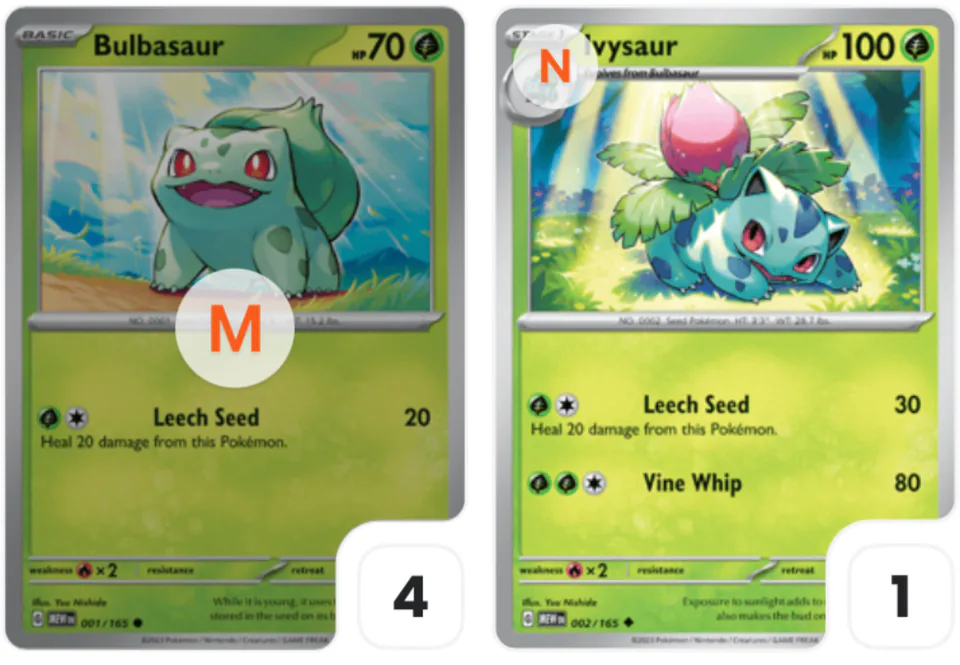
Those labels describe Acorn’s collection goals. They do not establish a universal official definition or guarantee complete catalogue coverage. Compare the app’s available variants with your written scope before treating progress as completion.
You can also create named custom collections for a binder or wishlist and view their cards, collected progress and card values. Keep your scope note alongside that organization so the collection name has a clear meaning.
The card data used in this guide comes from the Acorn TCG catalogue.